Parnassus Musicus
Italian music at the imperial court
Friday, March 19th, 2027
7:30 PM
Church of Saint John the Evangelist (Red Roof)
137, avenue du Président-Kennedy, Montreal
Programme
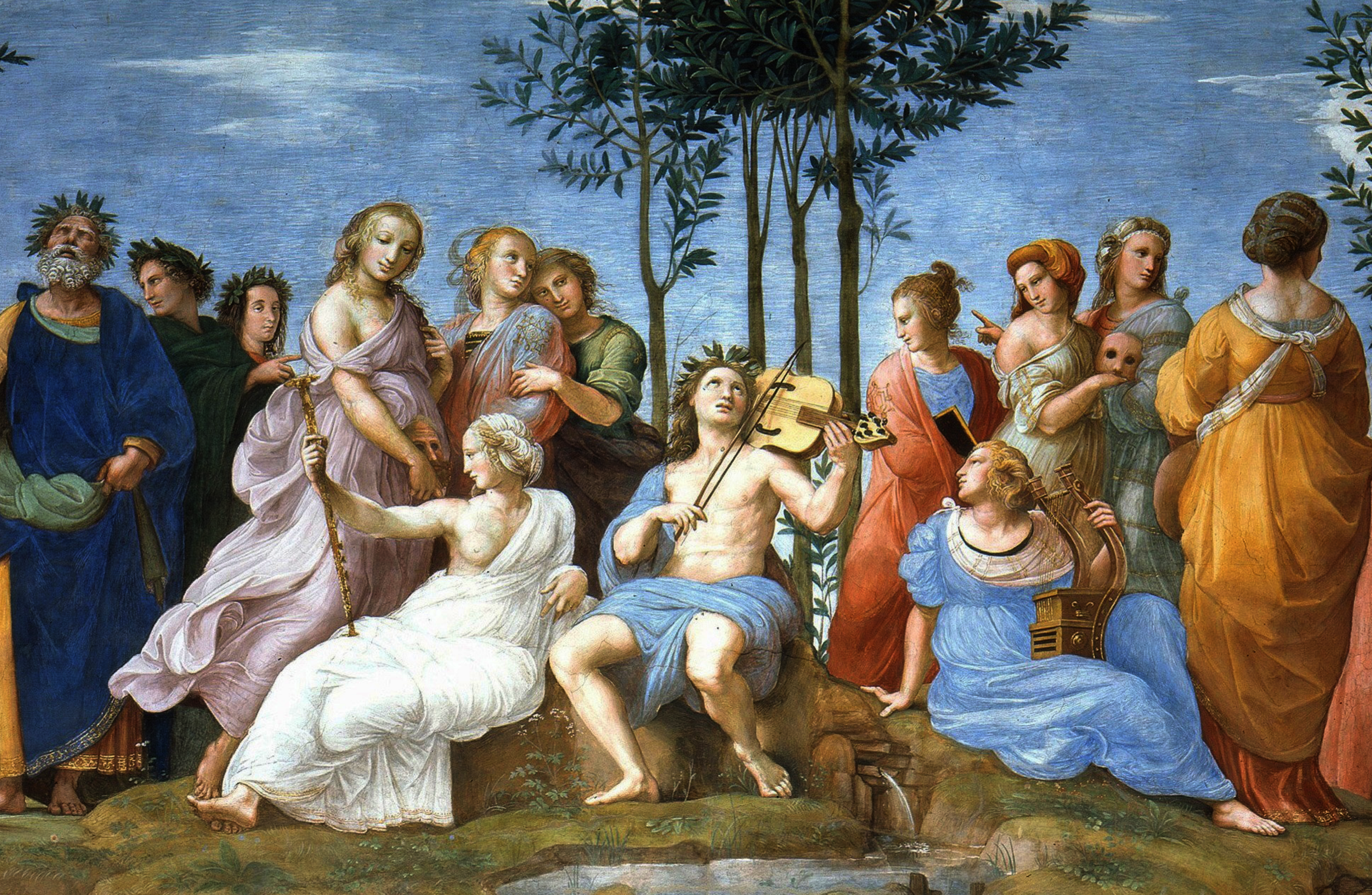
This programme borrows its title from the 1615 print Parnassus Musicus Ferdinandæus. This collection of motets for one to five voices by many of the most renowned Italian composers of the time, was dedicated to Archduke Ferdinand II, who four years later would become the Holy Roman Emperor. It perfect exemplifies the taste of this monarch, shared by his successors, for the works of Italian musicians, whom they recruited from other European courts, as well as directly from major Italian centers of music like Venice, Verona and Mantua.
Indeed, when Ferdinand II acceded to the imperial throne in 1619 and moved his court from Graz to Vienna, he brought with him most of his musicians, including Giovanni Priuli, the Venetian leader of his court chapel. Priuli’s deputy Giovanni Valentini, who had been poached away from the royal court of Poland in 1614 succeeded him as imperial Hofkapellmeister after his death in 1626. Unlike his father, Ferdinand III maintained the court chapel’s leadership upon his ascension to the throne, as did his son Leopold I, and the court chapel remained in the hands of Italian musicians under their reign.
In 1649, Valentini was succeeded by Antonio Bertali, a violinist originally from Verona but already employed at the Viennese court since 1624, who then held the chapel leadership for 20 years. He in turn was succeeeded in 1669 by Giovanni Felice Sances, a renowned Roman-born singer who had worked at San Marco in Venice under Monteverdi until becoming employed at the imperial court shortly before Ferdinand III’s ascension. Although the vice-Kapellmeister Johann Heinrich Schmelzer gradually took on more and more responsibilities due to the poor health of the aging Sances, it is only upon the latter’s death in 1679, after sixty years and four consecutive Italian Hofkapellmeister, that the chapel was finally officially led by an Austrian-born musician. Schmelzer died only months later, however, and the position was once more held by Italian musicians for a further 35 years.
Artists
Julie Rivest, violin
Étienne Asselin, cornetto
Maximilien Brisson, trombone
Margaret Little, viola da gamba
Christophe Gauthier, harpsichord
Rates
Regular
40 $
34 and under
30 $
Student
10 $
“Pay what you can”
Under 12
Free
Prices include GST and QST.
Tickets also available at the door.
Save by purchasing a season subscription.

